


2023 is almost upon us and while the dawning of a new year holds allure for many people, the cost of living crisis means many are looking for ways to save cash.
But they need not worry because there are many ways to save at least £100 in each month of 2023.
JANUARY
People who feel wiped out from Christmas could take part in No Spend January. Use up the food you already have in your cupboards instead of buying more, ditch the takeaways and don’t be afraid to say no to plans. People who do No Spend January save an average of £400. Those who take part in Dry January could save an additional £69.
FEBRUARY
People spend an average of £35 on gifts and £23 per person on food on Valentines Day.
That adds up to £116 for a couple. But you could do something nice at home, set a budget of £15 to £17 on food and a bottle of wine from the supermarket. That’s a saving of £99.

MARCH
Even if you’re not religious and you don’t mark Lent, it’s always worth thinking of something you could give up. If you give up takeaways, you could save an average of £79 per month. Giving up some or all of your subscriptions can save you £29.20. If you give up smoking for Lent, you can save £151.20.
APRIL
During Easter, Brits spend about £30 per household on chocolates and eggs. A really good idea would be to get a couple of little packs of mini-eggs that cost one or two pounds each and have a mini Easter egg hunt in your house. And then wait until the day after Easter to get eggs, saving up to 75% on eggs. Celebrating Easter this way could save you £25.
April is also the end of the tax year. The government matches 25% of whatever you put into your ISA or LISA – up to a £1,000 bonus – so putting money into your ISA or LISA could help you get most of the government’s bonus. So if you put in £80, you get £20. If you put in £400, you get £100 of free money. That’s another way to save £100 in April.
MAY
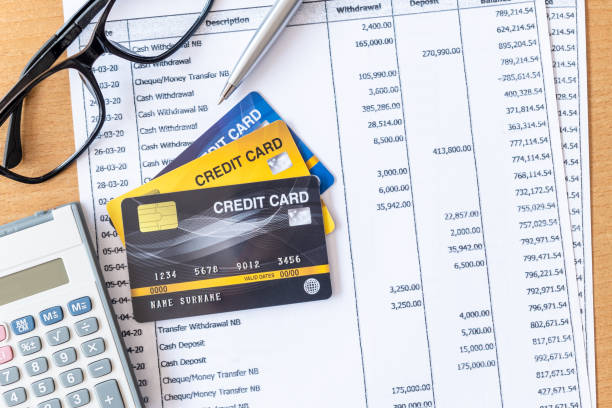
Take part in ‘Money Saving May’ or ‘Money MOT May’. Print out a couple of months of bank statements and circle things that cost you money every month. If you see an unused gym membership you got in January, you could cancel it and save about £37. You could notice Supermarket delivery services, takeaway subscriptions or insurance payments for old phones where the insurance costs more than the actual phone. You could comfortably save yourself £100 in May by going through your statements and cancelling those payments.
JUNE
This is the month to get your winter needs sorted. For heating and plumbing, you could get standard service in summer for £80. However, fixing a broken boiler or radiator in winter would set you back between £150 to £400. Demand for heating and boiler services is lower in summer so you could save £70 to £270 by getting these things looked at in summer.
JULY
Going for the less obvious location in peak holiday season could save you a lot of money. Getting an Airbnb in central Brighton could set you back an average of £459. However if you go slightly down the coast to New Haven, you could get an Airbnb for £62, saving yourself hundreds of pounds.
AUGUST
August is a really good month to go foraging. The weather is perfect and it could be a fun activity. There are lots of wild berries, elderflower. Avoid mushrooms altogether because it can be hard to tell which ones are safe. When foraging, download apps on your phone to help you find out what’s edible and what isn’t. If you’re not sure, don’t eat it. You could save £70.

SEPTEMBER:
This is a great time to start thinking about Black Friday. A lot of businesses play tricks on you by putting their prices up in the weeks before Black Friday and then lowering them at the end of November to make it look like you’re getting a bargain. You could save £150 or more by watching the prices from September and only getting the things you actually need.
This is also a good time to get Christmas work. Lots of places hire in September. If you get this seasonal work and put in five hours each weekend, you can make and save almost £200 before Christmas.
You could also do ‘Secondhand September’, saving an average of 25%-50% on items compared to their retail price.
OCTOBER
The average household spend on Halloween costumes is £95. However she says those who make their own can save £80 compared to those who buy.
This is also the perfect time to book Christmas travel because you can save up to 61% by booking 12 weeks in advance. If you’re going to see family or friends, booking your train, coach or travel tickets in advance could cut £30 off a ticket that would cost £50 if you booked later.
NOVEMBER
Brits spend about £262 million on Bonfire Night. That’s about £72.35 per household on parties, fireworks and sparklers. Scrap that cost and visit free firework displays in your area.
Interestingly, the price of white goods go down in November. Price Comparison site Price Runner estimates you can save up to £150 on white goods in the penultimate month of the year. So if you have a fridge or washing machine that has been acting up, November would be the time to replace. Just remember, it’s only a bargain if you need it
DECEMBER
Every Christmas the average person spends £44 on unwanted gifts. Avoid wasting money by asking family and friends to make wishlists. And if you do get unwanted gifts from people, take them back or exchange them for something you want or need.
The average spend on New Years Eve is £54. But you don’t have to go out or buy a new dress to have fun. Invite your friends round, get a bottle of wine for a tenner, tell your friends to BYOB and watch the fireworks together on the telly. Doing this could save you £40.

 SophisticateQueen